

The product is a B2B agricultural analytics platform providing reliable, real-time visibility into market pricing and trends. It aggregates data from multiple sources, including supplier inputs and public reports, and transforms it into a standardized, easy-to-analyze format. The platform supports data-driven decision-making for businesses across the agricultural supply chain.
We've been partnering with the client since 2020, helping to scale the product from a marketplace into an analytical B2B platform for the U.S. agricultural market. Initially, we’ve helped build an online wholesale marketplace with a full-cycle functionality, including order management, offer processing, logistics and transactions, and commission-based monetization.
The marketplace was built around a strong partnership-driven model. This created an opportunity to rethink the platform’s role and transition toward a more scalable, data-driven solution. As a result, the marketplace evolved into a data-driven platform focused on aggregation of market trends, price analytics, and providing access to insights and data.
The client worked with several independent data sources relevant to the agricultural market. These included publicly available government reports on pricing and distribution, pricing information shared by suppliers in various formats, and aggregated transactional data contributed by participating companies.
The data came in all kinds of formats and structures, which meant a lot of manual work and adjustments along the way and the following challenges:
This created a broader market problem as well. Businesses in the agricultural supply chain lacked a reliable way to:
The client needed to rethink the product and shift from a declining marketplace model to a scalable, data-driven solution. The core challenge was to transform fragmented and unstructured market data into a structured, continuously updated analytics platform and build a sustainable monetization model around it.
To address fragmented data sources and enable a scalable analytics product, we designed and implemented a data-driven platform that aggregates, processes, and delivers agricultural pricing insights in a unified format.
We developed a centralized data pipeline that consolidates multiple types of market data:
By combining these sources, the platform provides a more complete view of the market, covering historical trends, current pricing, and real transaction benchmarks.
To ensure consistent and reliable data ingestion, we implemented automated workflows using Microsoft Azure. Integrations with external APIs allow continuous data updates without manual involvement. This serverless approach ensures scalability while keeping infrastructure overhead low.
One of the core challenges was handling data in multiple formats, from structured files to unstructured inputs. We implemented a hybrid processing approach:
This allowed us to convert inconsistent supplier data into a standardized format suitable for analysis.
To ensure consistency across multiple data sources, we designed a centralized data model built on SQL Server. Data from APIs, supplier inputs, and transactional records is standardized into a unified structure, making it possible to compare pricing across sources and time periods. To address inconsistencies in naming and formatting, we implemented product mapping logic that aligns different representations of the same items. Data transformation and aggregation are handled at the database level, enabling efficient processing of large historical datasets and supporting fast, reliable analytics.
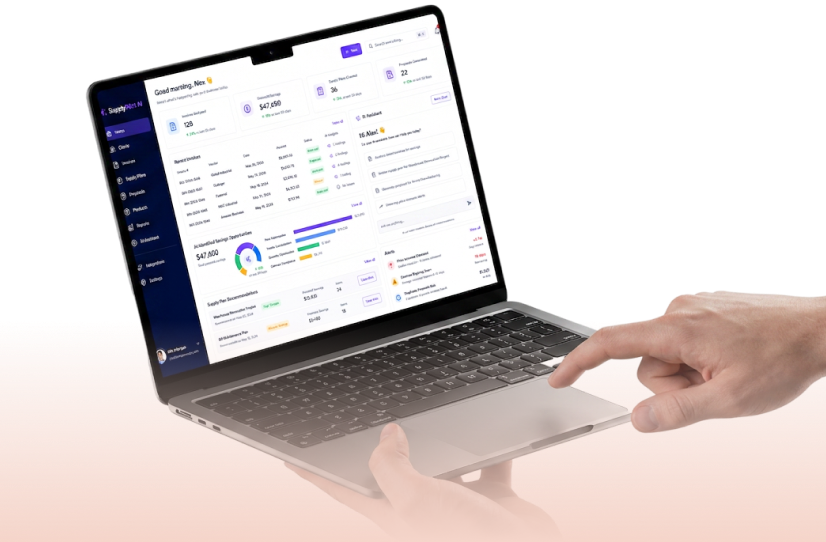
On top of the data infrastructure, we built an analytics layer designed for intuitive data exploration and visualization. Custom dashboards allow users to interactively analyze pricing trends, while search functionality powered by Azure AI Search makes it easier to navigate large datasets and surface relevant insights. Supplier discovery is further supported through integrations with Google Maps, enabling users to explore market participants geographically.
To support the client’s shift to a data-driven model, we implemented flexible monetization options:
The marketplace was scaled into a data-driven analytics platform, establishing a more scalable and sustainable business model. As part of this shift, the client was able to:
This transformation laid the foundation for future growth, enabling the platform to expand its data offering, adapt to new data sources, and scale its analytics capabilities over time.


.png)